What Is Yoga? 20 Benefits, Definition for Students, Risks & PPT
What is yoga? This guide covers the yoga definition and benefits and risks, including 20 benefits of yoga, 10 benefits of yoga, and 5 benefits of yoga, plus yoga definition and benefits for students, a yoga definition and benefits PPT outline, and how yoga definition and benefits Wikipedia compares to deeper study.
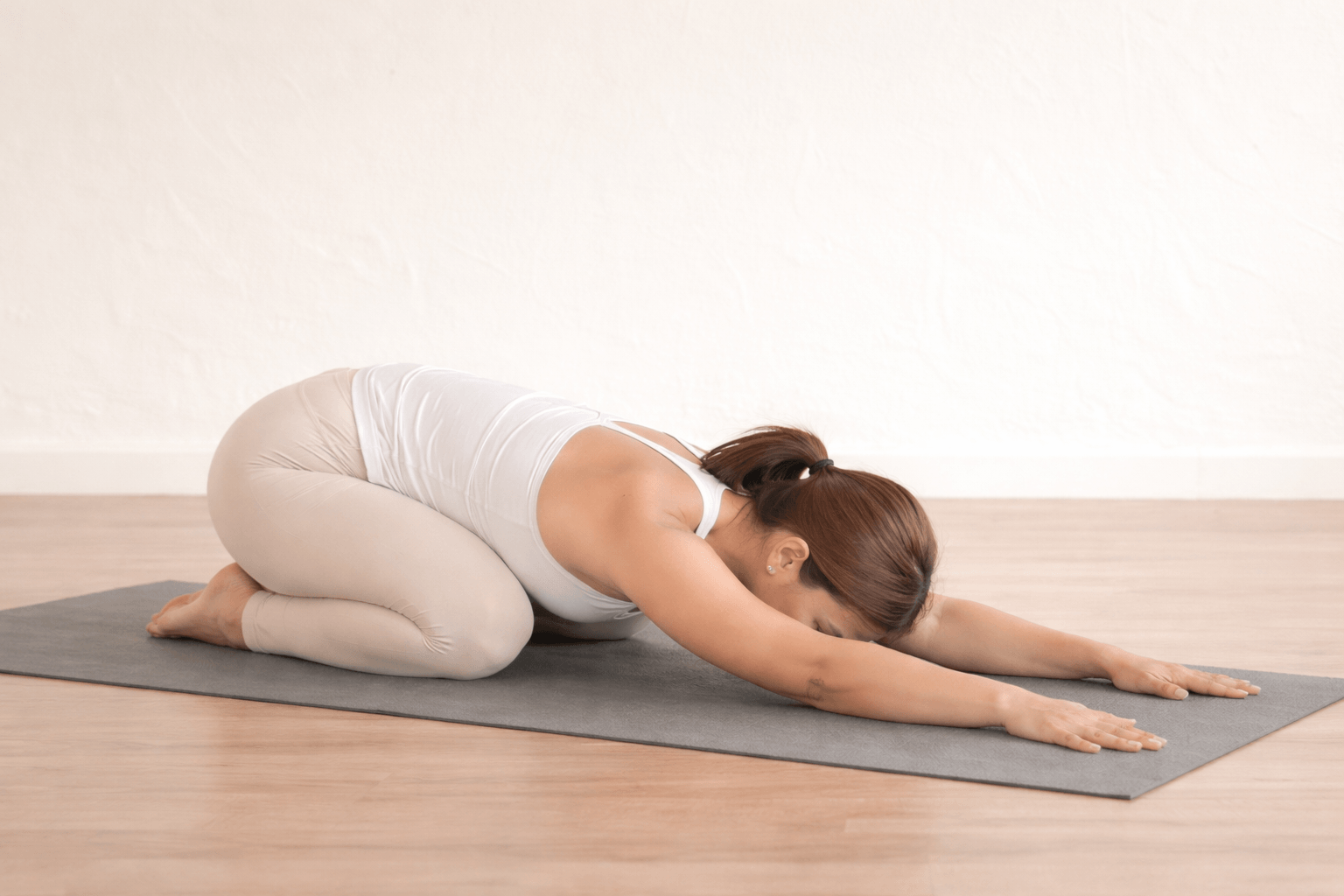
If you ask ten people what yoga is, you’ll probably get ten different answers.
Some will tell you it’s stretching.
Others will say it’s meditation.
Some think it’s a workout. Others see it as a spiritual practice.
The truth is, yoga is all of those things, and yet it’s also much more.
I’ve been practicing yoga since 2012, and one thing I’ve learned is that yoga has a way of meeting you exactly where you are. Some people come because their back hurts. Some come because they’re anxious. Some come because they’re searching for something they can’t quite put into words.
Whatever brings you to the mat is a good place to begin.
Quick answer: What is yoga? From Sanskrit yuj (to unite), yoga joins body, breath, and mind. This page covers 20 benefits of yoga, 10 benefits of yoga, 5 benefits of yoga, yoga definition and benefits for students, yoga definition and benefits and risks, a yoga definition and benefits PPT outline, and yoga definition and benefits Wikipedia as a starting point—not the full picture. New to the mat? Start with Asana Foundations.
Yoga definition and benefits and risks
If you searched for yoga definition and benefits and risks, here is the short version before the deeper sections below.
Definition: Yoga (from yuj) is the practice of uniting body, breath, and mind. Patanjali defines it as stilling mental fluctuations—not only doing poses.
Benefits: Regular practice commonly improves flexibility, strength, balance, posture, stress levels, sleep, focus, and self-awareness. See the full lists of 20 benefits of yoga, 10 benefits of yoga, and 5 benefits of yoga below.
Risks: Overstretching, wrist or shoulder strain, hamstring injuries, neck discomfort, and lower back irritation are possible when students push too hard. Mindful practice and qualified guidance reduce these risks.
What is yoga?
The word yoga comes from the Sanskrit root yuj, which means to yoke, to unite, or to join.
Many people describe yoga as the union of the body, mind, and spirit. While that’s a beautiful way of understanding it, different traditions define yoga in different ways.
One of the most well-known definitions comes from the Yoga Sutras of Patanjali:
Yogaś citta-vṛtti-nirodhaḥ
Yoga is the stilling of the fluctuations of the mind.
That definition reminds us that yoga isn’t simply about touching our toes or standing on our hands. It’s about learning to relate to our thoughts with a little more awareness and a little less reactivity.
Physical postures, or asana, are just one part of a much larger tradition that also includes ethics, breathwork, meditation, concentration, and self-inquiry. For historical context, see history of yoga: timeline, definition & philosophy.
Why do people practice yoga?
Most people don’t begin yoga because they’re interested in ancient philosophy.
They begin because they want to feel better.
Maybe they want less back pain.
Better sleep.
More flexibility.
Less stress.
Over time, many discover that yoga offers something deeper than they expected.
The practice teaches us how to pause before reacting, breathe through discomfort, pay attention, and cultivate a kinder relationship with ourselves.
In my experience, those lessons are often far more valuable than learning an advanced pose.
20 benefits of yoga
Yoga has been practiced for thousands of years because it supports us in many different ways. While everyone’s experience is different, these are some of the benefits students commonly notice.
Physical benefits
- Improves flexibility and mobility
- Builds strength without relying only on heavy weights
- Improves balance and coordination
- Supports healthy posture
- Reduces stiffness from prolonged sitting
- Increases body awareness
- Encourages healthier breathing patterns
- Improves joint mobility
- Helps relieve muscular tension
- Supports better sleep and recovery
Mental and emotional benefits
- Reduces stress
- Helps calm the nervous system
- Improves concentration
- Encourages mindfulness
- Builds emotional resilience
- Supports better mood
- Helps develop self-awareness
- Creates space for rest and recovery
- Encourages compassion toward yourself and others
- Helps cultivate a greater sense of peace and equanimity
Not every class will give you all twenty benefits, and that’s okay.
Some days yoga helps you feel stronger.
Other days it simply helps you breathe through a difficult week.
Both are valuable.
10 benefits of yoga
If you’re looking for a quick summary, these are ten of the most well-known benefits of yoga from a regular practice:
- Improves flexibility
- Builds strength
- Supports better posture
- Reduces stress
- Improves balance
- Encourages mindful breathing
- Helps with relaxation
- Increases body awareness
- Supports better sleep
- Promotes overall wellbeing
5 benefits of yoga
If you’re completely new to yoga, these five benefits are a great place to begin.
- Better mobility
- Less stress
- Improved focus
- Greater self-awareness
- More energy throughout the day
You don’t have to master difficult poses to experience these benefits. Consistency matters much more than complexity.
Yoga definition and benefits for students
Students today juggle school, work, family responsibilities, social media, and constant stimulation.
Yoga offers something many students don’t get enough of: space to slow down.
For students, yoga can help:
- Improve concentration while studying
- Reduce stress before exams
- Encourage healthy posture after long hours of sitting
- Develop emotional regulation
- Improve sleep quality
- Increase confidence and body awareness
- Build healthy habits that can last a lifetime
As someone with a background in education, I love seeing yoga introduced in schools because it teaches skills that extend far beyond physical fitness.
Learning how to breathe through frustration, pay attention, and respond instead of react are life skills as much as they are yoga skills.
Are there any risks to yoga?
Like any form of movement, yoga isn’t completely risk-free.
Most injuries happen when students push beyond what their bodies are ready for or when they’re encouraged into poses that don’t feel right.
Some common risks include:
- Overstretching
- Wrist or shoulder strain
- Hamstring injuries
- Neck discomfort
- Lower back irritation
The good news is that these risks can often be reduced by practicing mindfully, listening to your body, and learning from a qualified teacher.
One of the most important lessons yoga teaches is that progress isn’t measured by how deep a pose looks.
It’s measured by how present you are while practicing.
Pain is never the goal.
Yoga is more than exercise
One of the biggest misconceptions about yoga is that it’s simply another fitness class.
Movement is certainly part of yoga, but it isn’t the whole picture.
Traditional yoga also includes:
- Ethical living
- Breath awareness
- Meditation
- Self-reflection
- Compassion
- Presence
In many ways, the poses prepare us for everything that happens after we roll up the mat.
Yoga isn’t just about becoming more flexible.
It’s about becoming more aware of how we live, how we relate to others, and how we respond to life’s inevitable challenges.
Explore sthira and sukha for how balance on the mat reflects balance in daily life, or go beyond the Eight Limbs into six lesser-known Yoga Sutras teachings.
Yoga definition and benefits PPT
If you need a yoga definition and benefits PPT for a school presentation or workshop, here’s a simple slide outline you can use.
- Slide 1: What is yoga? — Definition of yoga and the meaning of yuj.
- Slide 2: History of yoga — A brief overview of yoga’s origins and evolution. See our yoga history guide.
- Slide 3: The eight limbs of yoga — Introduce ethics, postures, breathwork, meditation, and mindfulness.
- Slide 4: Physical benefits — Strength, flexibility, posture, balance, and mobility.
- Slide 5: Mental and emotional benefits — Stress reduction, concentration, emotional regulation, and mindfulness.
- Slide 6: Risks and safety tips — Practice within your limits, avoid forcing poses, and seek guidance from qualified teachers.
- Slide 7: Key takeaways — Yoga is more than exercise. It is a lifelong practice that supports physical, mental, emotional, and spiritual wellbeing.
Yoga definition and benefits (Wikipedia)
Many people search for yoga definition and benefits Wikipedia to get a quick overview—and that’s a reasonable place to start.
The Wikipedia article on yoga covers history, styles, and general benefits in one place.
But if you want a deeper understanding of yoga, I encourage you to go beyond summaries.
Read the Yoga Sutras.
Read the Bhagavad Gita.
Explore the Hatha Yoga Pradipika.
Study with experienced teachers.
And most importantly, spend time practicing.
Yoga isn’t something we understand only by reading about it.
It’s something we experience.
If you want to go deeper, online 200-hour yoga teacher training (next cohort October 17–December 6, 2026) is one path—though you don’t need to become a teacher to benefit from studying yoga seriously.
Final thoughts
People often ask me when they become a “real yogi.”
My answer is usually the same.
Not when you can balance on your hands.
Not when you can touch your toes.
Not even when you’ve memorized Sanskrit.
You begin practicing yoga the moment you become willing to pay attention.
To your breath.
To your thoughts.
To the way you speak to yourself.
To the way you treat other people.
The poses may bring us to the mat.
But awareness is what keeps us coming back.
And I think that’s one of the greatest gifts yoga has to offer.
Related reading at Upekkha
References
- Patanjali. (c. 400 CE). Yoga Sutras of Patanjali. Trans. various. Sutra II.1–II.3.
- Feuerstein, G. (2008). The Yoga Tradition (3rd ed.). Hohm Press.
- National Center for Complementary and Integrative Health. (n.d.). Yoga: What You Need to Know.
- Wikipedia contributors. (n.d.). Yoga. Wikipedia, The Free Encyclopedia.
- Singleton, M. (2010). Yoga Body: The Origins of Modern Posture Practice. Oxford University Press.
- Swami Muktibodhananda (Trans.). (1998). Hatha Yoga Pradipika (4th ed.). Yoga Publications Trust.
New to yoga?
Build confidence on the mat with Asana Foundations, or explore deeper study through online YTT.